How to Choose the Right Sunscreen for Your Skin Type
Share
Sunscreen is the single most evidence-backed skincare product you can use. It prevents dark spots, slows visible ageing, and reduces your risk of sun damage. But with dozens of formulas on the market, picking the right one can feel overwhelming. This guide breaks it down by skin type so you can choose with confidence.
What the SPF Number Actually Means
SPF (Sun Protection Factor) tells you how much UVB radiation a sunscreen blocks. SPF 50 blocks about 98% of UVB rays, while SPF 75 blocks about 98.7%. The bigger difference comes from how much you apply and how often you reapply. For daily Indian conditions, dermatologists generally recommend SPF 50+ with broad-spectrum protection.
PA Rating: What the Plus Signs Mean
PA ratings measure UVA protection, the rays responsible for tanning, pigmentation and premature ageing. More plus signs mean more UVA protection. For Indian sun exposure, aim for PA+++ or PA++++.
Acne-Prone Skin? Look for "Non-Comedogenic"
If you get breakouts, the formula matters as much as the SPF. Heavy, oily sunscreens can clog pores and trigger new acne, which is why many people with acne skip sunscreen entirely. That's a mistake, because sun exposure also darkens post-acne marks and makes them last longer.
Look for sunscreens labelled non-comedogenic, meaning they're formulated not to block pores. Lightweight textures like fluids, gels and water-based formulas are usually the safest bet. Avoid thick, greasy creams and heavy oils on breakout-prone areas, and patch test a new sunscreen along your jawline for a few days before applying it all over.
Choosing a Sunscreen by Skin Type
Lightweight everyday sunscreens (all skin types)
The best sunscreen is one you'll actually want to wear every day, and super-light textures make that easy.
- ISDIN Fotoprotector Fusion Water Magic SPF 50 PA++++ has an ultra-light, water-based texture that absorbs almost instantly, with no white cast and no sticky feel. Want a little coverage too? The Medium (Tinted) version offers the same protection with a sheer tint.
- Babé Super Fluid SPF 50 Facial Sunscreen is a fast-absorbing, weightless fluid that's easy to wear and reapply daily. Babé Super Fluid Color (Tinted) SPF 50 adds a sheer tint plus hyaluronic acid for hydration.
Oily or acne-prone skin
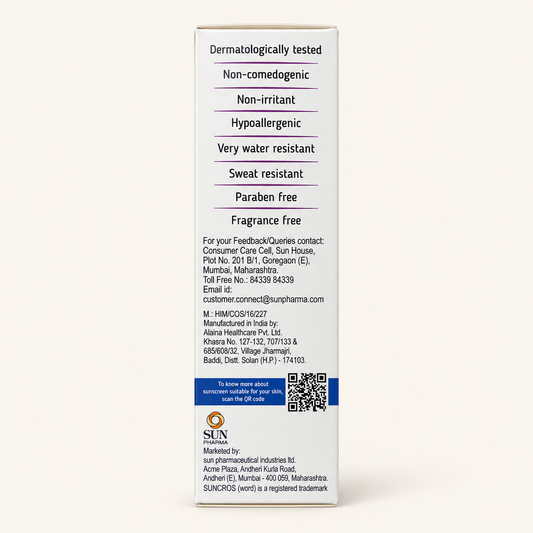
Choose non-comedogenic gel or fluid textures. Suncros Neo Sunscreen Gel SPF 75 PA+++ is a lightweight gel offering 12-hour protection without a greasy finish. The ISDIN Fusion Water and Babé Super Fluid above are also great picks for oily skin thanks to their feather-light textures.
Dry or dehydrated skin
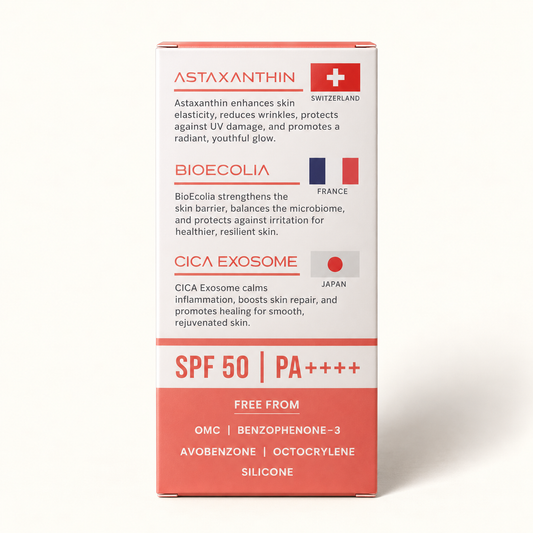
Look for a sunscreen with added hydration. Astabiome Cell Molecular Sunscreen SPF 50 PA++++ provides high protection while keeping skin comfortable.
Normal to combination skin
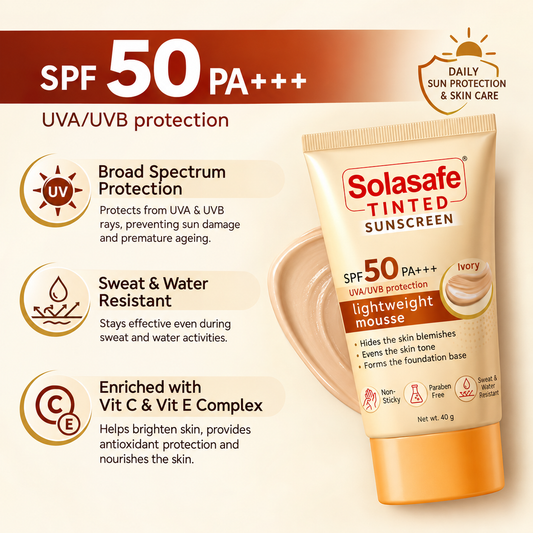
Tinted sunscreens do double duty: sun protection plus light coverage. Solasafe Tinted Sunscreen SPF 50 comes in two shades, Ivory and Bronze, for a natural finish without separate foundation.
Sensitive skin
Stick to mineral-leaning or fragrance-free formulas and always patch test first.
Body coverage
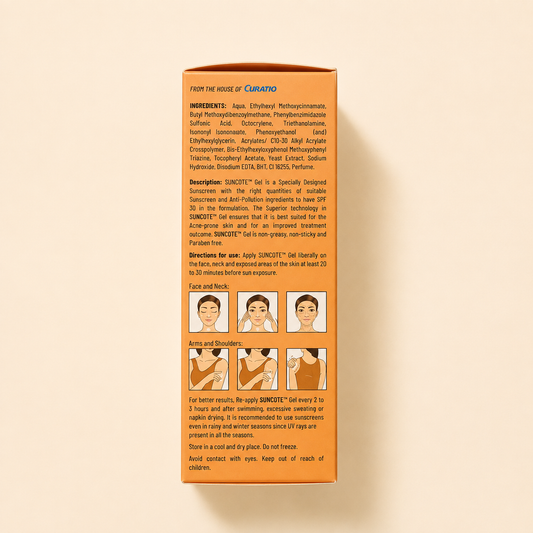
For extended outdoor exposure, Suncote Sunscreen Gel in a larger 100g size is a cost-effective choice for all-over protection.
Screen Time All Day? Consider a Blue Light Sunscreen
Sunlight isn't the only light your skin deals with. Phones, laptops and indoor lighting emit high-energy visible (HEV) light, also called blue light. Research suggests prolonged exposure can contribute to pigmentation and dullness, especially in deeper Indian skin tones and in people prone to melasma.
If you spend hours at a screen, or you're treating dark spots, look for a sunscreen that protects against blue light as well as UVA and UVB. These "digital" sunscreens typically use mineral filters like iron oxides or antioxidants to help defend against visible light.
- UV Doux Blue Light Sunscreen Gel SPF 50 PA+++ is a lightweight, water-resistant gel designed to protect against both UV rays and blue light, a great everyday pick for desk workers.
- Eclipse Solaire Active SPF 50 PA++++ is a physical, mineral sunscreen protecting against UVA, UVB, infrared and blue light.
Tip: tinted sunscreens containing iron oxides also add visible-light protection, so the tinted ISDIN, Babé and Solasafe options do double duty.
How to Apply Sunscreen Correctly
- Apply sunscreen as the last step of your morning skincare routine, before makeup.
- Use the two-finger rule, or about a quarter teaspoon, for your face and neck.
- Reapply every 2 to 3 hours when outdoors.
- Don't skip cloudy days or indoor days near windows, as UVA passes through clouds and glass.
The Bottom Line
The best sunscreen is the one you'll actually use every day. Pick a formula that suits your skin type and lifestyle, and make it a non-negotiable part of your morning routine.